On the morning of March 18, 2024, the opening ceremony of the short-term training course "Application of Conservation Genetics and Forensic Science in Wildlife Protection" took place at the VNU University of Science. The course is part of the international scientific research cooperation between VNU University of Science, the German Primate Center, and Lingnan University, Hong Kong, China.
The application of molecular biology techniques and laboratory methods for species identification in wildlife conservation is widely used in developed countries around the world. Implementing these advanced scientific tools and techniques in conservation efforts in Vietnam will enhance the effectiveness of conservation activities, contributing to the preservation and development of rare and valuable wildlife genetic resources in the country.
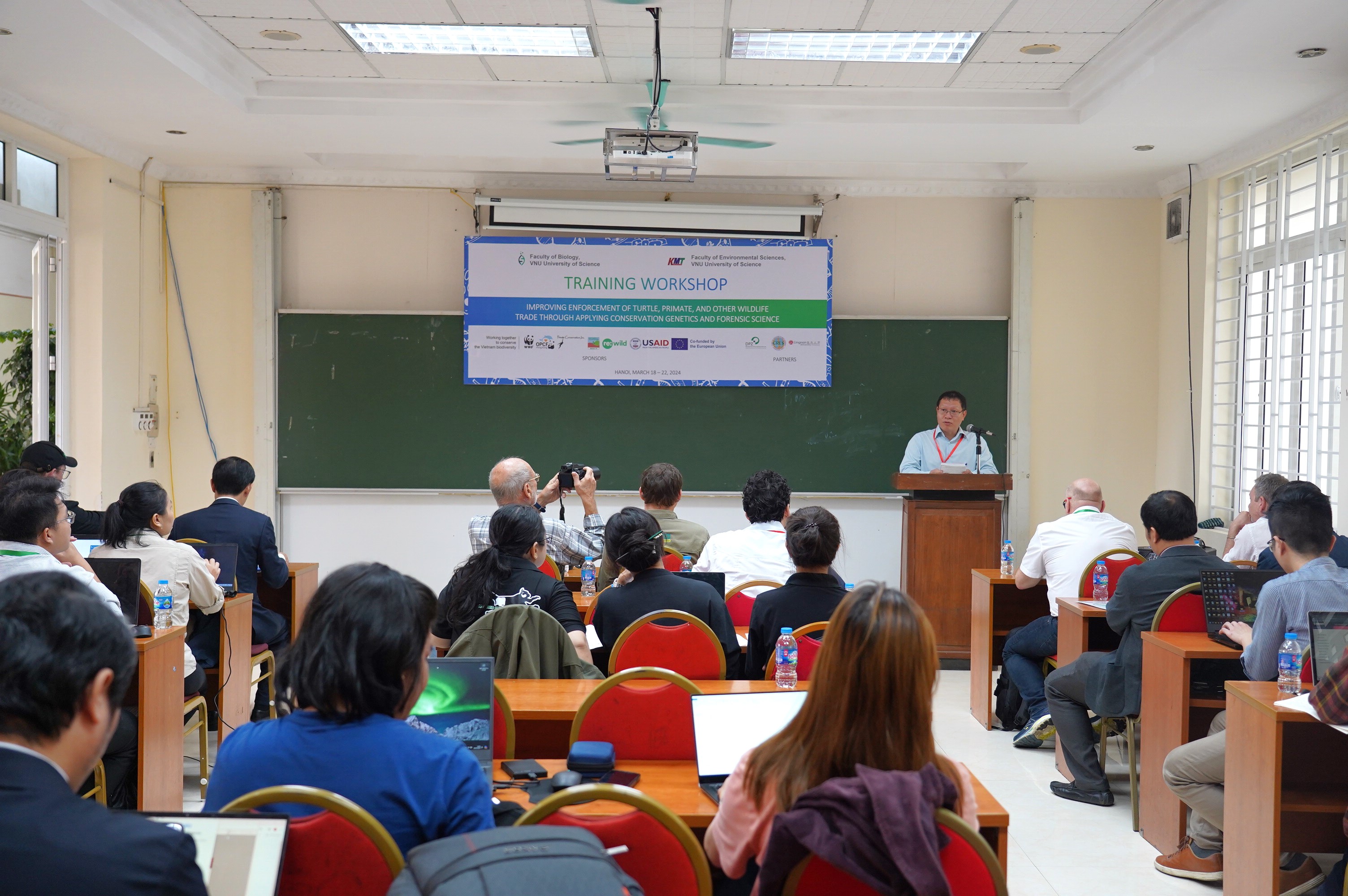 Opening ceremony of the short-term training course "Application of Conservation Genetics and Forensic Science in Wildlife Protection"
In this context, the training course organized at the VNU University of Science will provide the necessary knowledge and skills for applying molecular biology techniques in specimen identification activities. From March 18 to 21, 2024, the course will focus on the following topics:
- Theoretical aspects of conservation genetics and forensic science
- Laboratory practice in specimen extraction and analysis
- Gene amplification
- Bioinformatics analysis
At the opening ceremony, Assoc. Prof. Dr. Ngac An Bang, Vice Rector of the VNU University of Science, shared: “As we all know, wildlife trafficking is considered a significant threat to biodiversity in Southeast Asia in general, and in Vietnam in particular. Despite the government's best efforts to control it, every year tons of wildlife and wildlife products are illegally traded.”
However, the identification and classification of wildlife species, as well as wildlife products, currently pose a significant challenge for law enforcement agencies. These animals often lack distinct identifying features due to their similar external appearance. Wildlife products are often processed before being sold on the market, making it difficult to trace their origin. Therefore, the application of molecular biology techniques to identify these products will enhance the effectiveness of law enforcement efforts and help combat the alarming rate of illegal trafficking activities in Vietnam.
On this occasion, Assoc. Prof. Dr. Ngac An Bang, on behalf of the university, expressed his deep gratitude to the international experts and lecturers from the German Primate Center and Lingnan University, Hong Kong, China, who traveled a long distance to attend and share valuable information, knowledge, and experiences in this field during the training course.
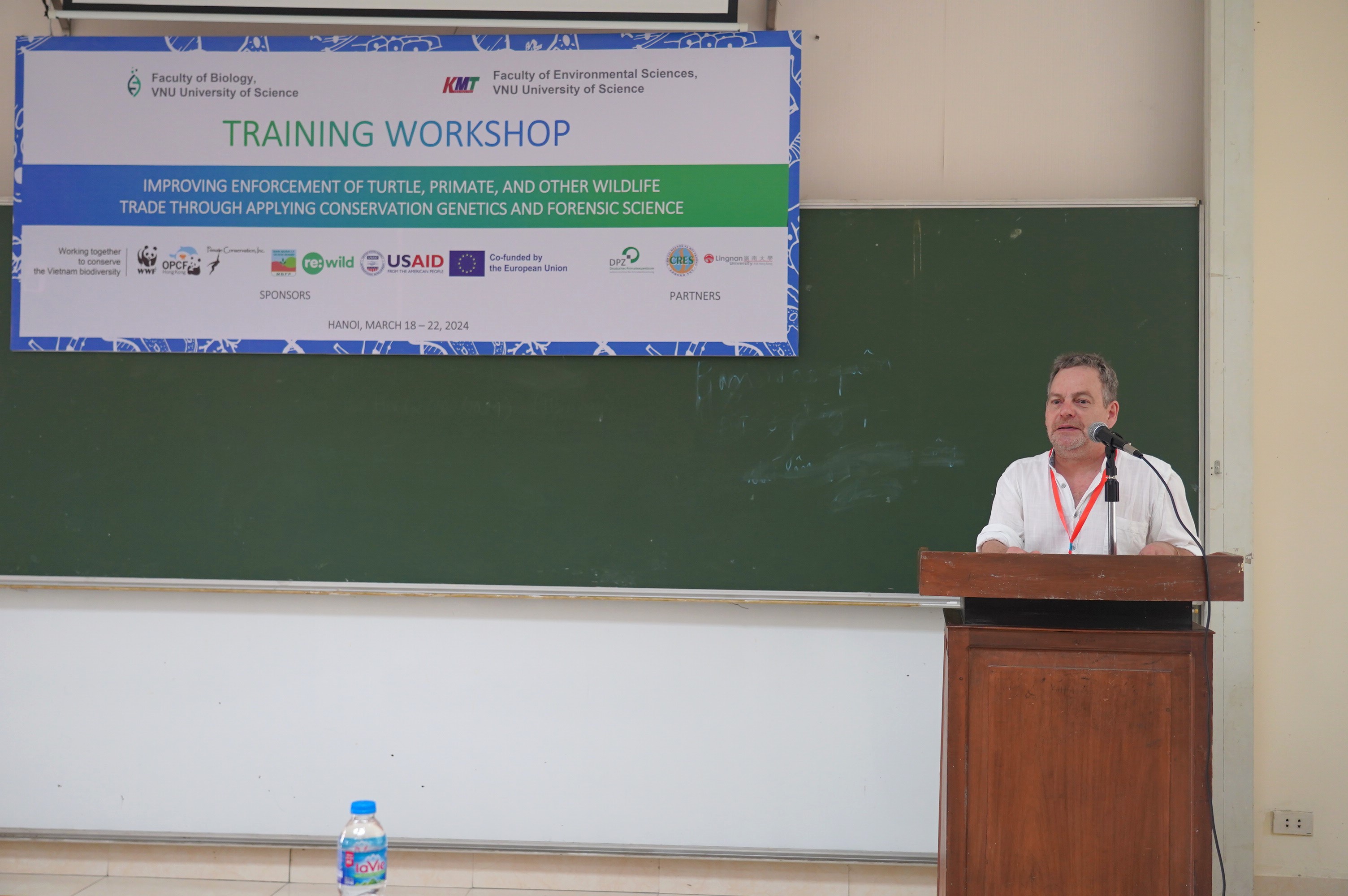 Prof. Dr. Christian Roos from the German Primate Center sharing at the training course
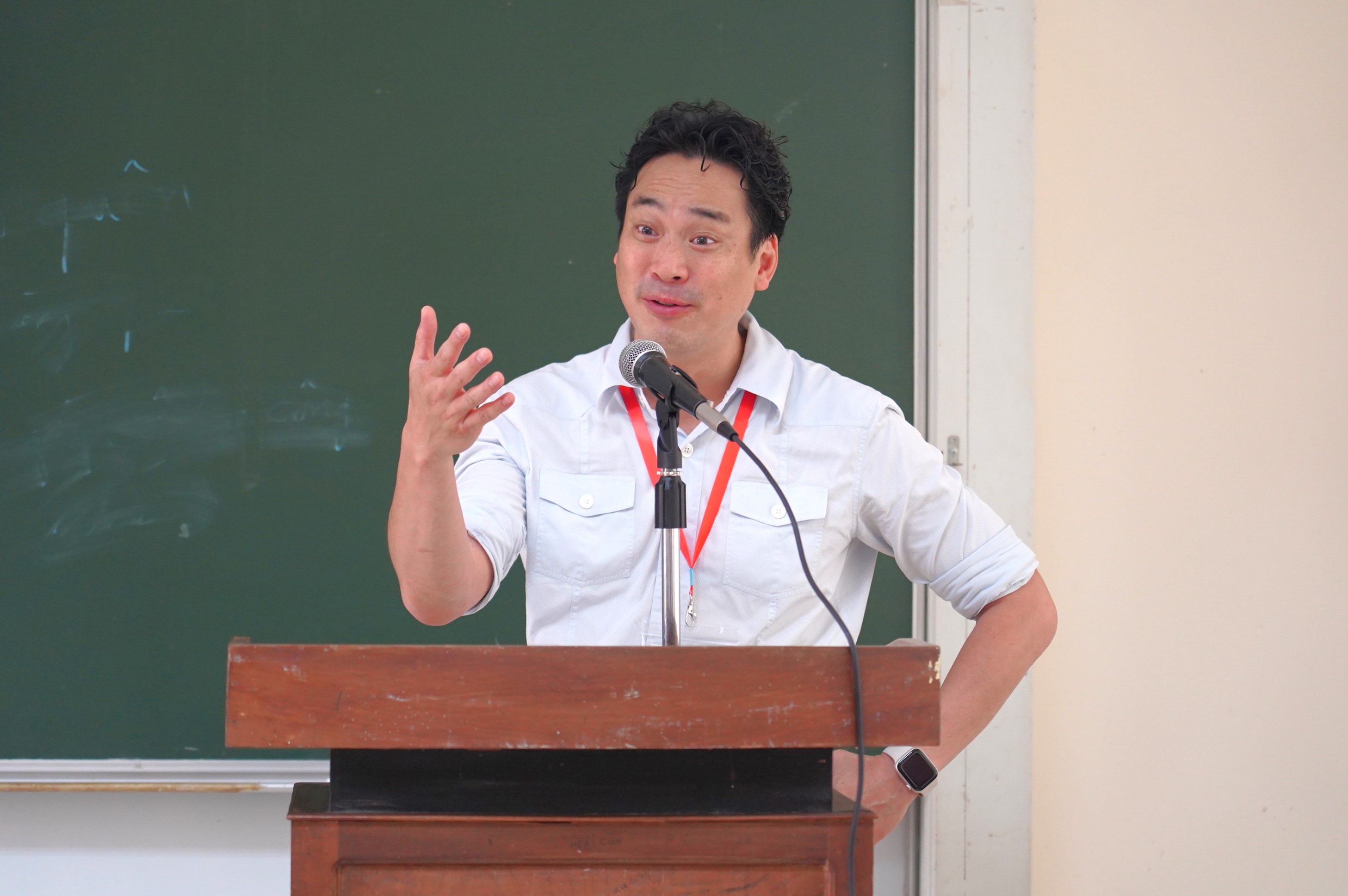 Prof. Dr. Jonathan Julio Fong from Lingnan University, Hong Kong, China, exchanging information at the training course
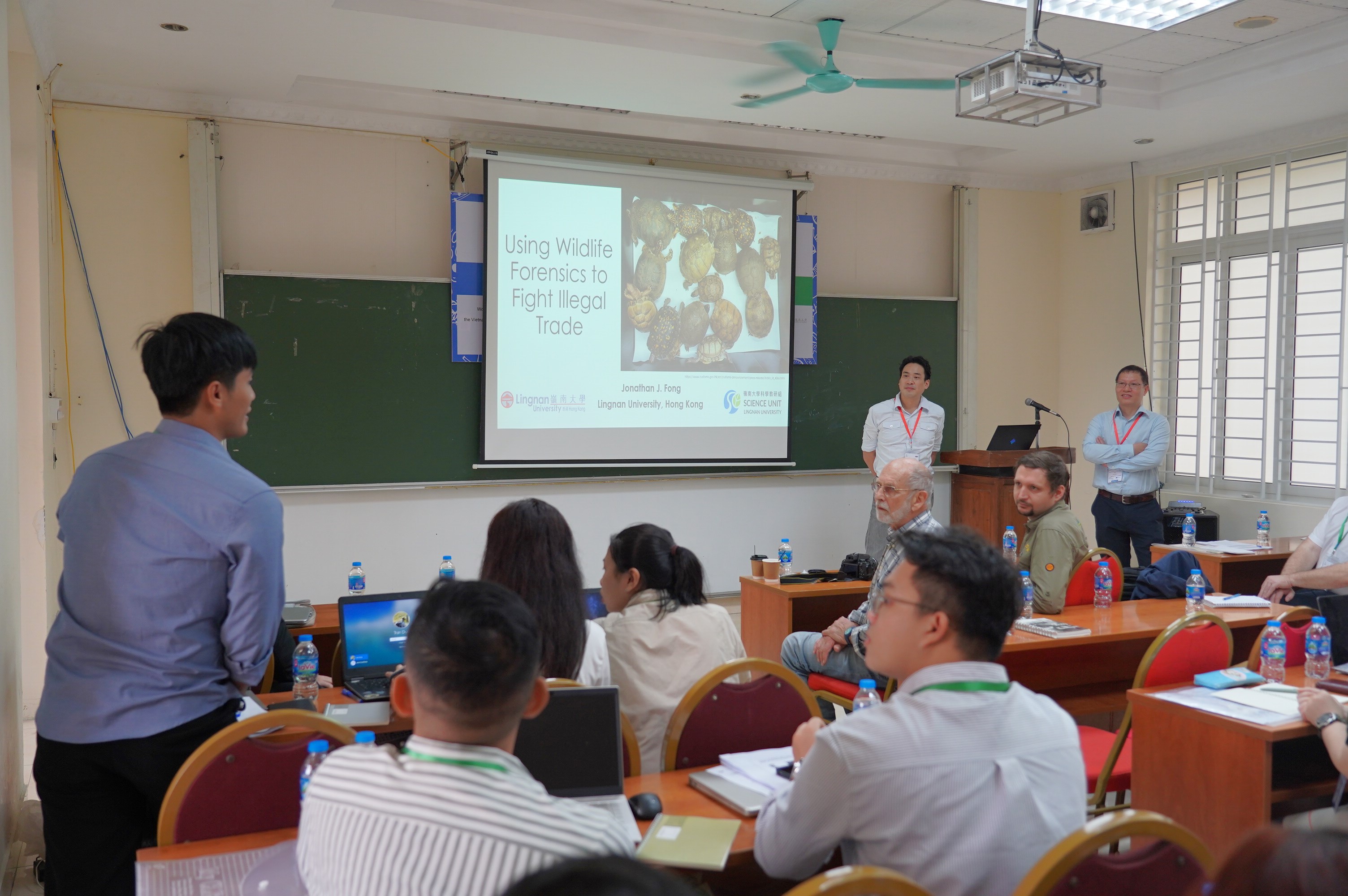 Some images from the training course
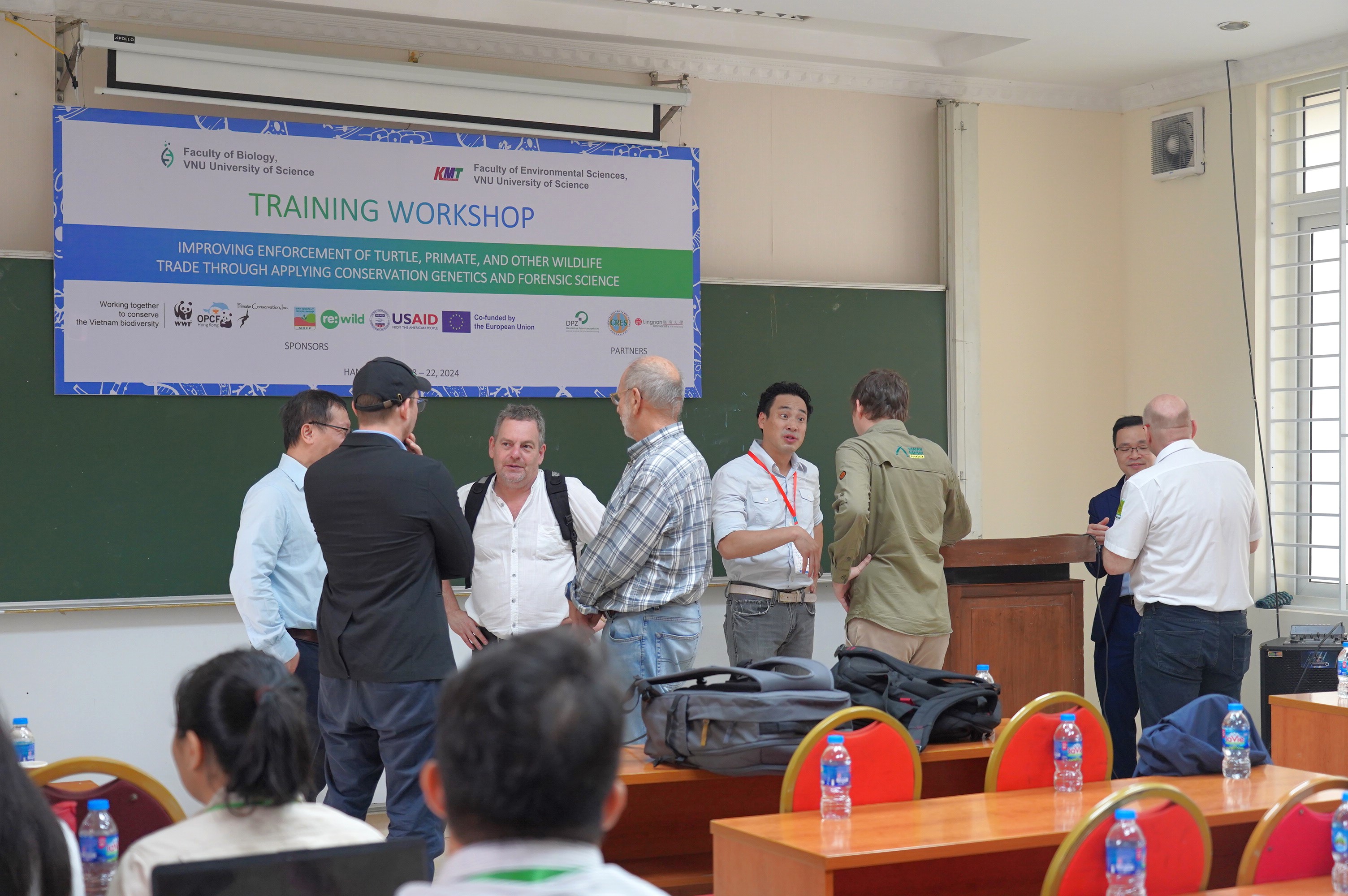 Experts and scientists exchanging ideas on the sidelines of the program