On the morning of February 27, 2024, the international workshop titled "Sharing Knowledge and Experience in Integrating Remote Sensing Data and Environmental Monitoring" took place at VNU Hanoi University of Science.
The workshop, part of the SATREPS (Science and Technology Research Partnership for Sustainable Development) project, served as an essential information exchange for scientists from VNU University of Science, as well as the University of Tokyo and Waseda University in Japan, ahead of the official launch of the project titled “Development of High-Tech, Easy-to-Use Analytical Devices and Enhancement of Human Resources for Food Safety and Environmental Quality Control,” funded by Japan.
In his opening remarks, Assoc. Prof. Dr. Ngac An Bang, Vice Rector of VNU University of Science, expressed confidence in the project's potential to advance food safety and environmental quality control efforts in Vietnam. This will be achieved through the development of high-tech, easy-to-use analytical devices and the training of high-quality human resources in the near future.
The international workshop provided a platform for scientists from the participating institutions to gain an overview and collectively assess the current status, technological infrastructure, and data regulations related to environmental monitoring. This understanding is crucial for ensuring the smooth and effective implementation of the project in the coming period.
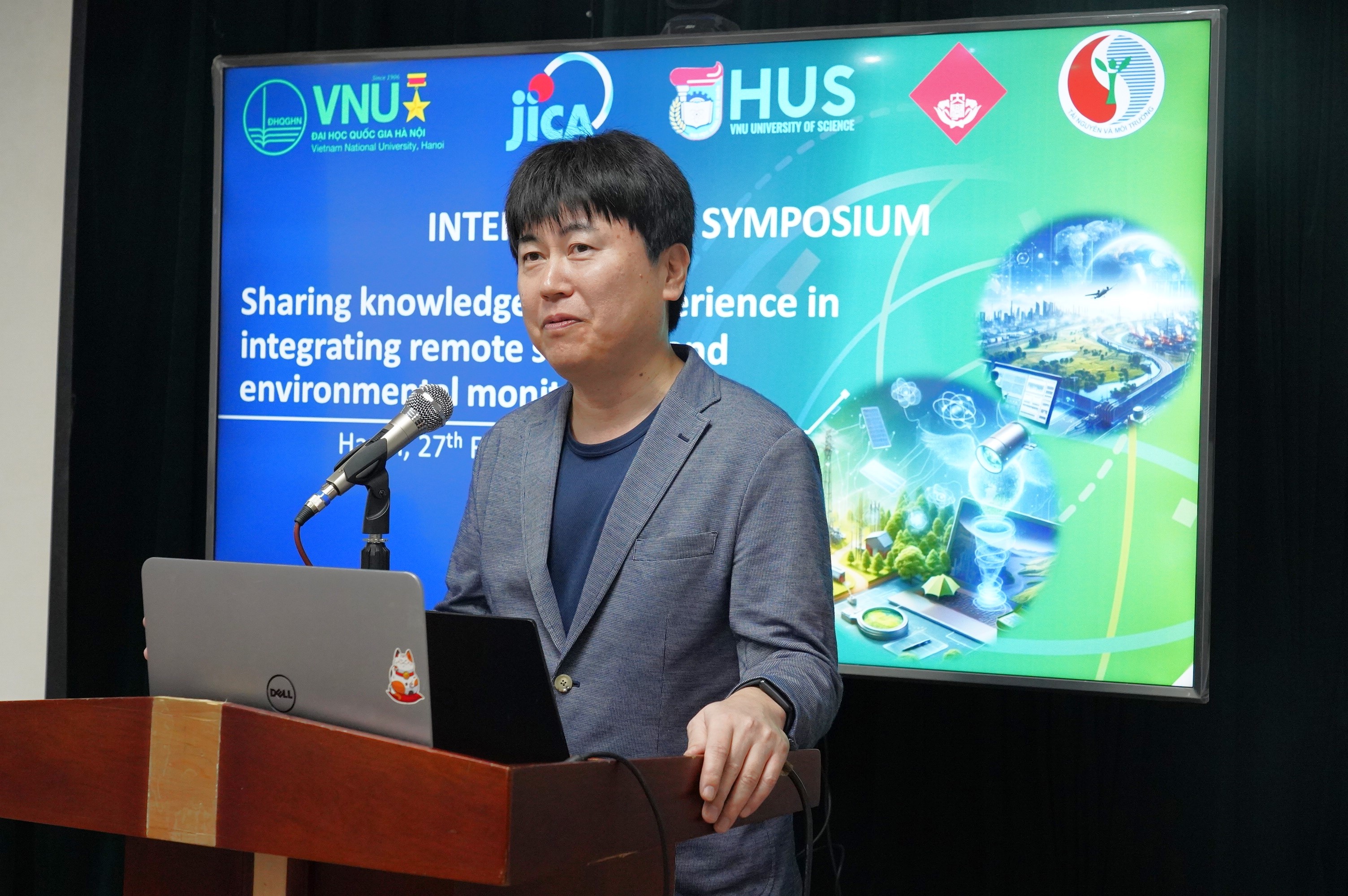 Prof. Kazuma Mawatari from Waseda University delivered a brief overview of the project's goals and the upcoming implementation plan.
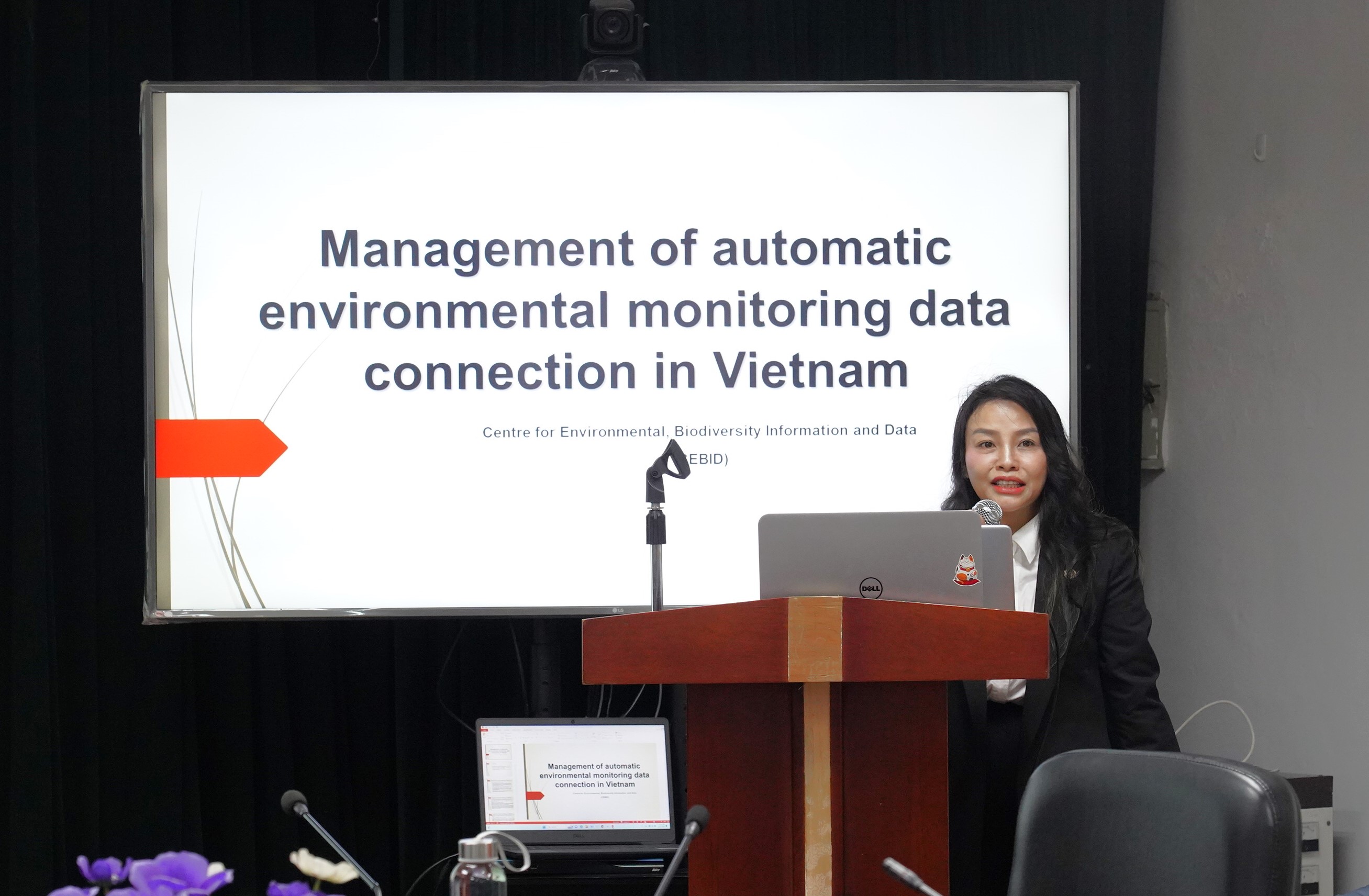 Ms. Ha Minh Chuc, representing the Center for Environmental Information and Data, introduced the current status of “Automatic Environmental Monitoring Data Management in Vietnam.”
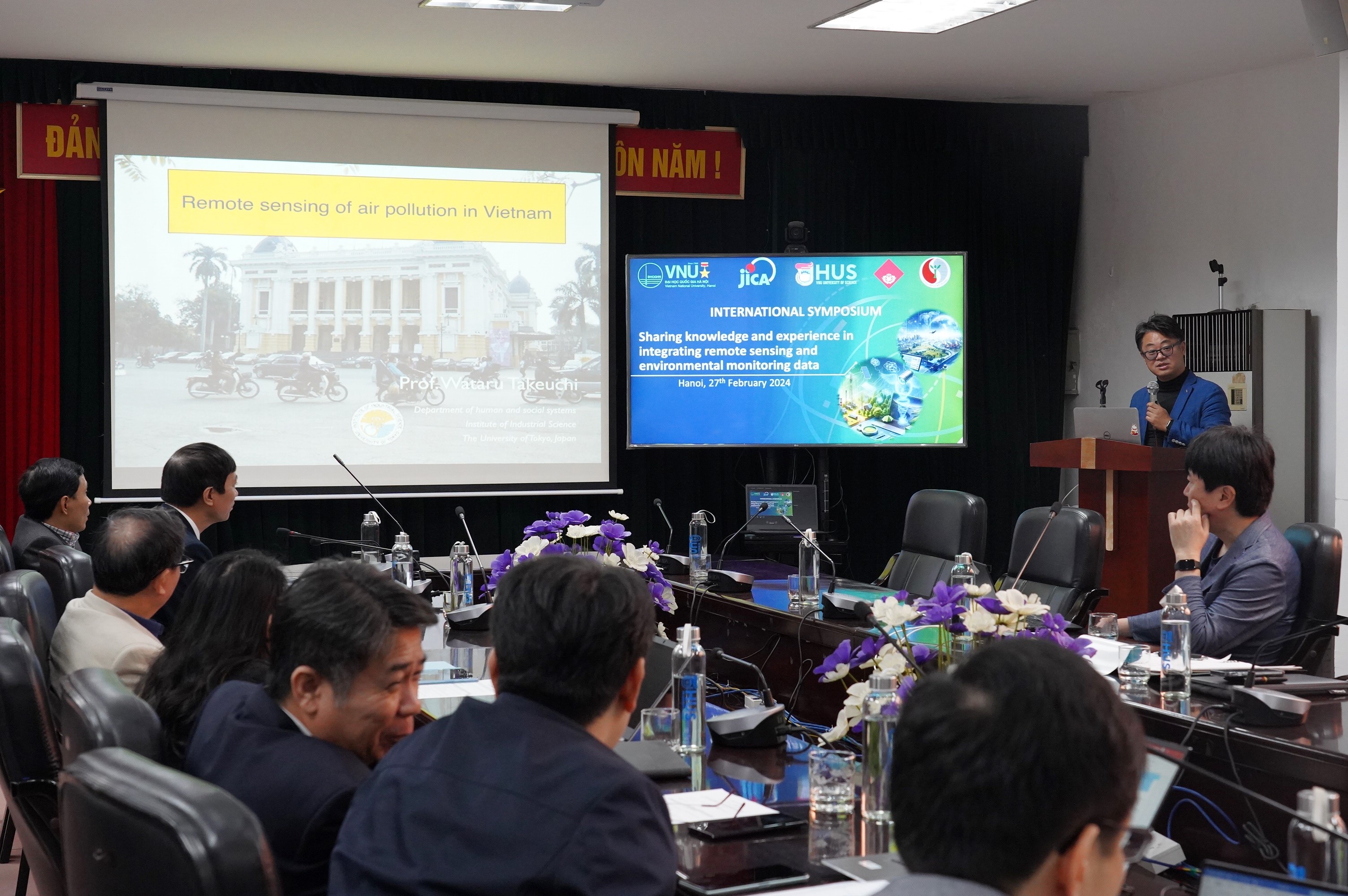 Assoc. Prof. Dr. Wataru Takeuchi from the University of Tokyo presented on the “Air Pollution Remote Sensing System in Vietnam.”
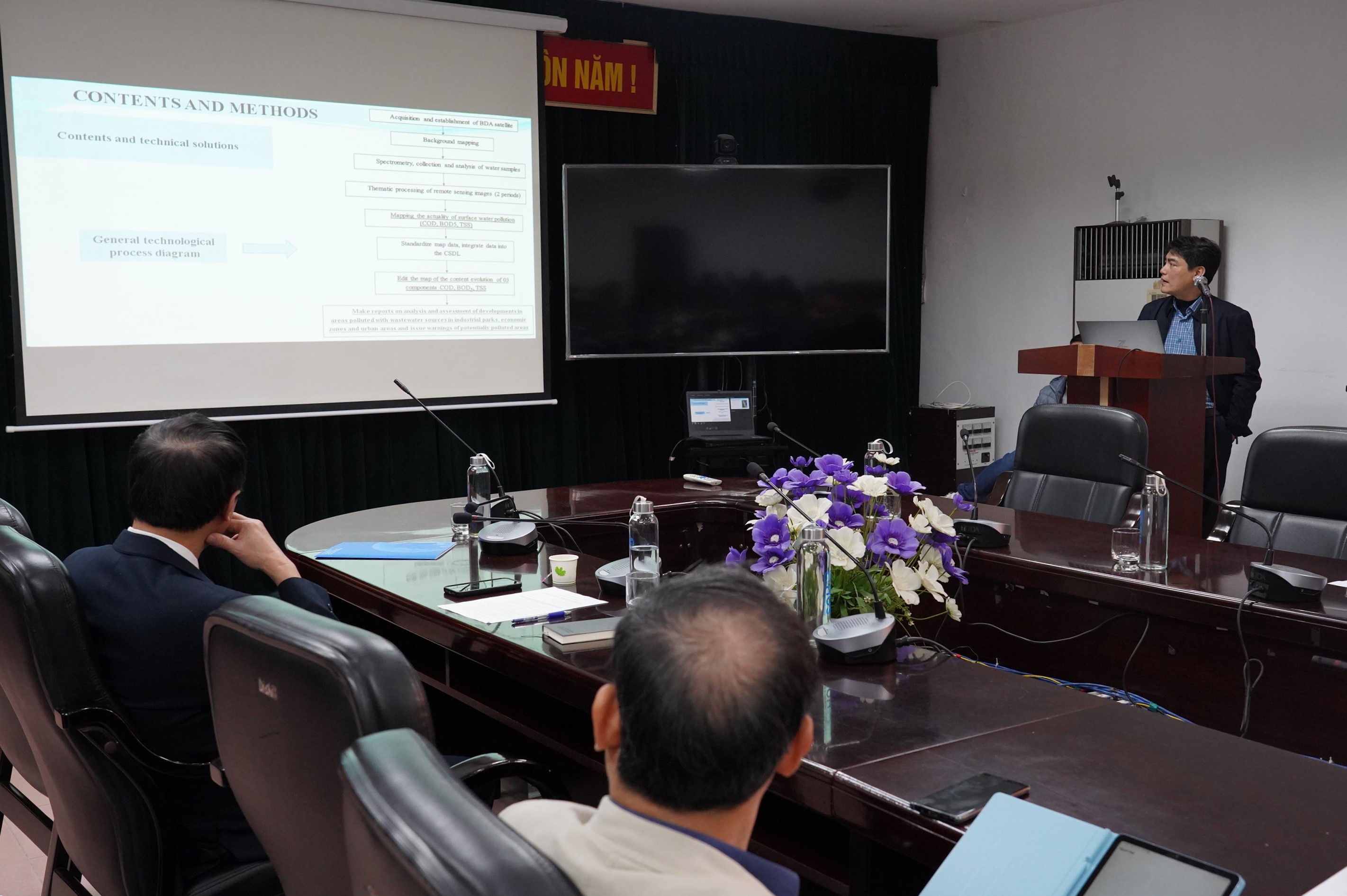 A representative from the Department of Remote Sensing, Ministry of Natural Resources and Environment, introduced the “Project on Applying Remote Sensing Technology in Water Environment Monitoring.”
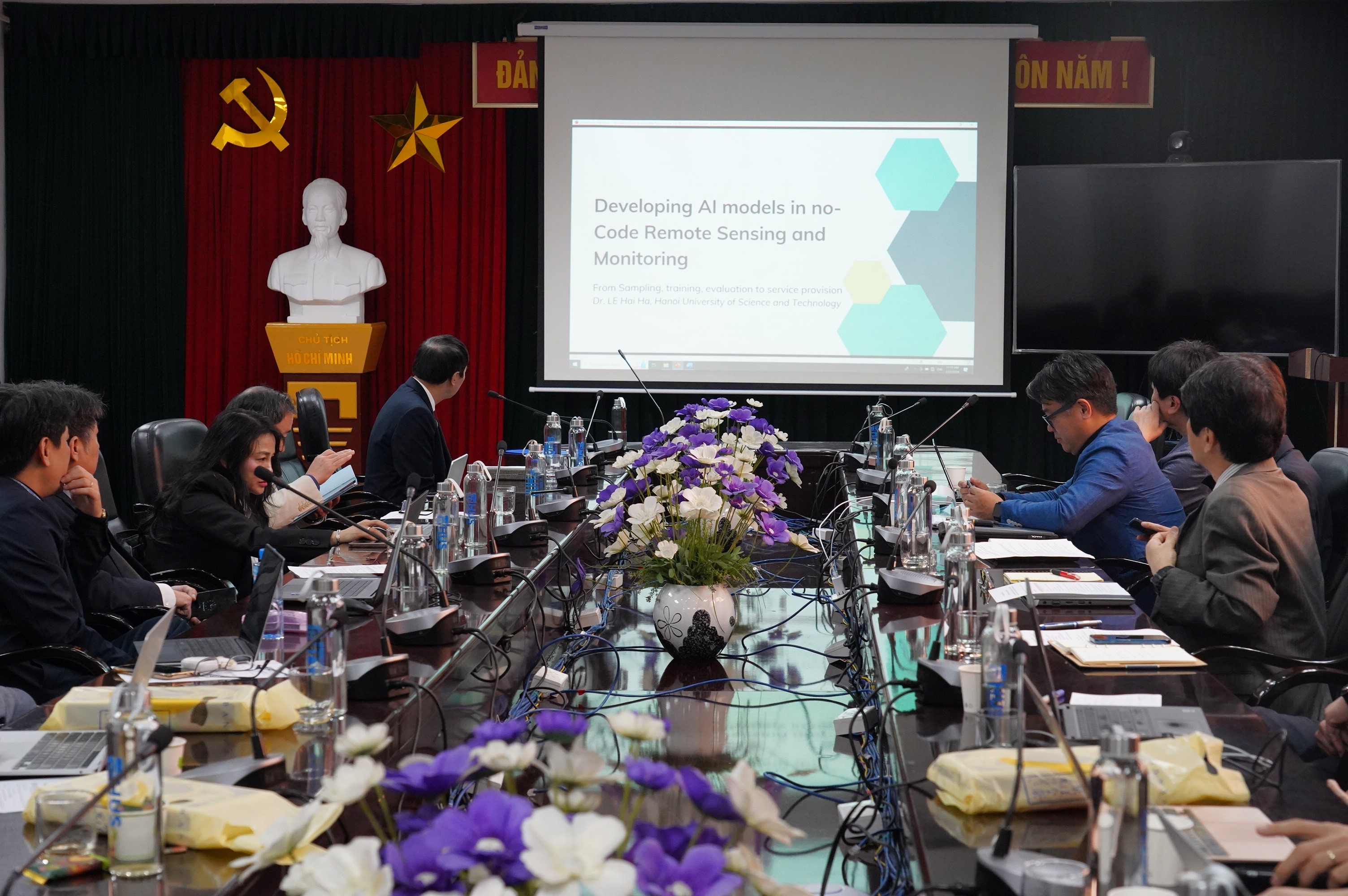 Dr. Le Hai Ha from Hanoi University of Science and Technology shared insights on “Developing AI Models in No-Code Remote Sensing and Monitoring: From Sampling, Training, Evaluation to Service Delivery.”
Following these presentations, workshop participants engaged in detailed discussions to clarify essential issues, ensuring the best possible preparation for the project's implementation. With thorough and careful preparation, it is hoped that the project will yield significant results in enhancing food safety and environmental quality control in the near future.
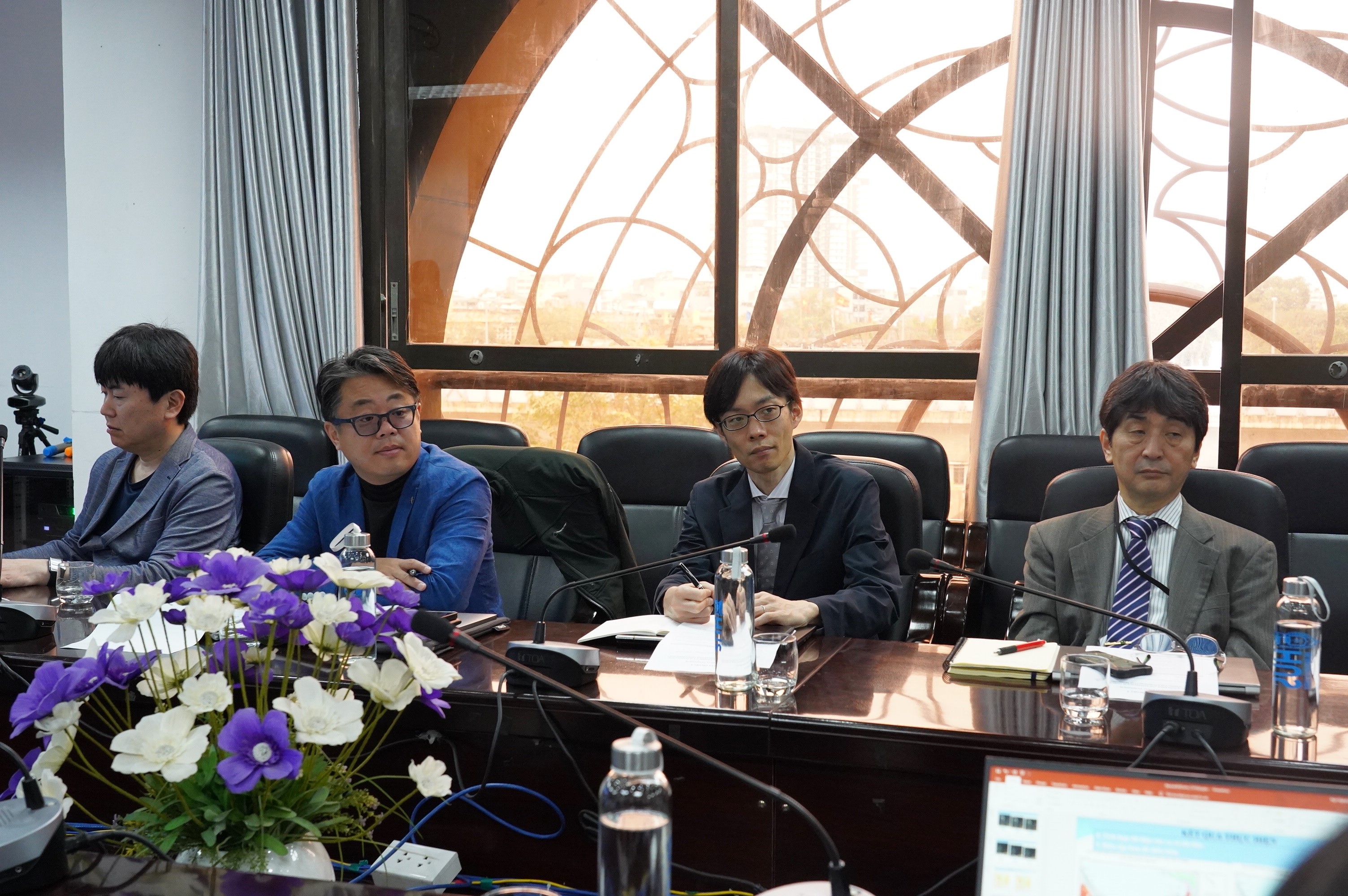 Some discussion highlights from the workshop